

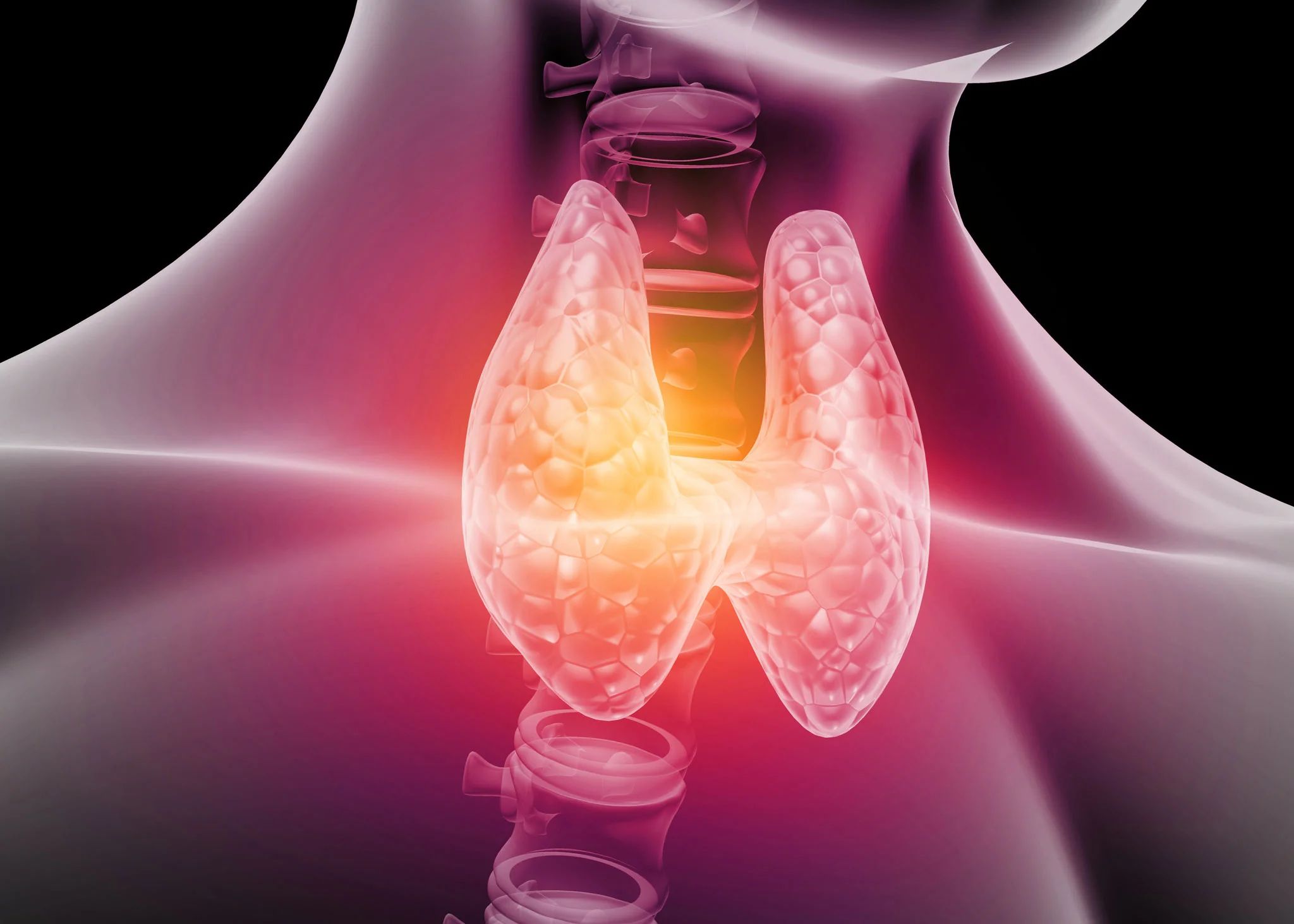
Thyroid and Your Heart Rhythm
Your thyroid gland (a small butterfly-shaped gland in your neck) makes hormones that affect how your body uses energy. These hormones also have a big effect on your heart rate and rhythm.
Overactive Thyroid (Hyperthyroidism)
When your thyroid makes too much hormone:
- Your heart may beat too fast (racing heartbeat).
- You may feel palpitations (fluttering or pounding in the chest).
- It can trigger irregular rhythms, especially atrial fibrillation (AF), which increases the risk of stroke.
- Symptoms: anxiety, sweating, weight loss, feeling hot.
Underactive Thyroid (Hypothyroidism)
When your thyroid makes too little hormone:
- Your heart may beat too slowly.
- You may feel tired, weak, or dizzy.
- In severe cases, fluid can build up around the heart.
- Symptoms: weight gain, feeling cold, dry skin, constipation.
Why It Matters
- Thyroid problems are treatable, and fixing them often improves heart rhythm.
- If you have an irregular heartbeat, your doctor may order thyroid blood tests.
- Treating the thyroid condition may prevent long-term heart problems.
✅What You Can Do
- Take thyroid medication as prescribed.
- Keep regular check-ups with your doctor.
- Report symptoms like fluttering, dizziness, chest pain, or shortness of breath.
- Maintain a heart-healthy lifestyle: no smoking, regular exercise, balanced diet.
Remember: Looking after your thyroid helps protect your heart.
Comments are closed