

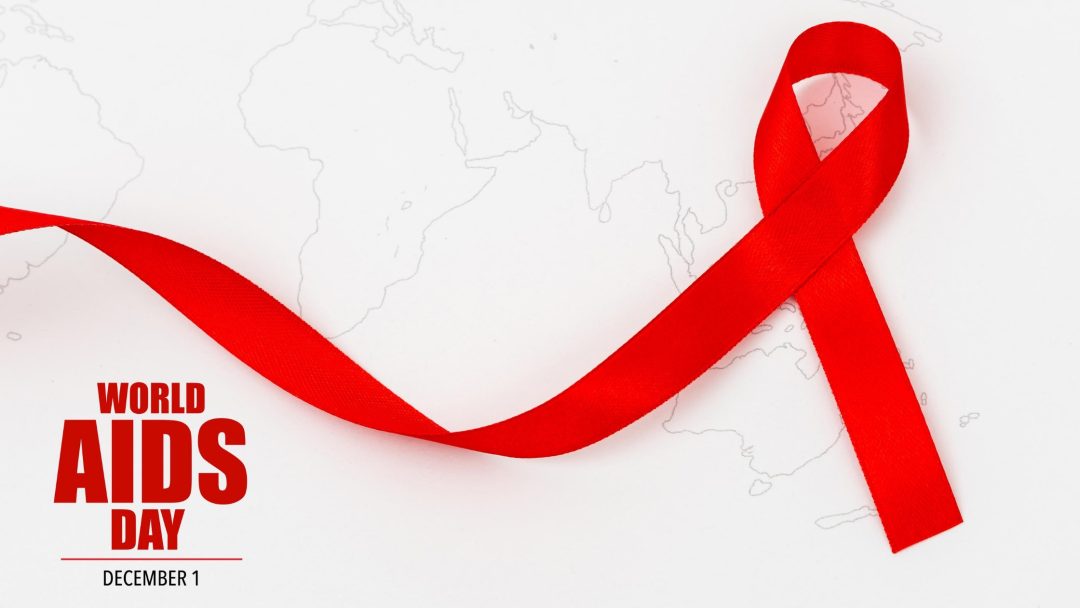
World AIDS Day
World AIDS Day: Understanding HIV in South Africa, Advances in Treatment, and Living with AIDS
World AIDS Day, observed every year on December 1st, is a global event aimed at raising awareness about the ongoing HIV/AIDS epidemic, honoring those who have lost their lives to the disease, and celebrating the advances made in the fight against HIV. In South Africa, where HIV remains a critical public health issue, World AIDS Day provides an opportunity to reflect on the challenges faced, the progress achieved, and the ongoing efforts to provide better care and support for those living with HIV and AIDS.
The HIV Epidemic in South Africa: A National Challenge
South Africa has one of the largest HIV epidemics in the world. Approximately 7.5 million people in South Africa are living with HIV, amongst the highest rates of HIV infection globally. The virus is transmitted primarily through sexual contact, but also through needle sharing and from mother to child during childbirth or breastfeeding.
Despite substantial progress in addressing the epidemic, HIV continues to pose a significant challenge. In addition to the medical implications, HIV/AIDS is also linked to social stigma, discrimination, and inequities in access to healthcare services, particularly in rural or under- resourced areas. This multi-layered challenge calls for a comprehensive, multifaceted approach that includes education, access to prevention methods, testing, and treatment, as well as tackling stigma.
Breakthroughs in HIV Treatment: Novel Therapies
The landscape of HIV treatment has drastically changed over the years. Antiretroviral therapy (ART) has converted HIV into a manageable chronic condition. ART works by suppressing the viral load in the body, helping to prevent the progression of HIV to AIDS, and reducing the likelihood of transmitting the virus to others.
However, new therapies are continually being developed to make treatment more effective, accessible, and easier to manage. Some promising developments include:
Long-acting Injectable Therapies: In 2021, the FDA approved the first long-acting injectable ART regimens, which provide an alternative to daily pills. This treatment only requires injections every 1-2 months, which is a significant improvement for individuals who struggle with adherence to daily medications. South Africa has also started rolling out these injectable treatments in the public health system.
Broadly Neutralizing Antibodies (bNAbs): These are a new class of drugs that aim to prevent HIV from entering cells by targeting and neutralizing the virus in the bloodstream. While still under clinical trials, they represent a hopeful step toward long-term prevention and potential functional cure options.
Cabotegravir and Rilpivirine: This combination is another example of a long-acting injectable therapy that can be taken every two It’s being introduced to reduce pill burden and improve adherence to treatment. This has been a game changer for people who have difficulty with daily pills, making it easier to manage their HIV treatment.
Gene Editing and Immunotherapy: Cutting-edge research in gene editing and immunotherapy has shown promising results in Scientists are exploring ways to potentially “cure” HIV by altering the genetic makeup of immune cells or boosting the body’s own immune response to fight the virus more effectively.
Living with HIV/AIDS in South Africa: Overcoming Stigma and Improving Quality of Life
Living with HIV is a reality for millions of South Africans, but significant strides have been made in improving the quality of life for those affected. Access to ART has greatly improved, leading to increased life expectancy and better overall health outcomes. However, challenges remain, particularly in addressing the stigma associated with HIV/AIDS.
Stigma and discrimination remain major barriers to testing, treatment, and support for people living with HIV in South Africa. Many individuals fear being judged or ostracized by their communities, families, or workplaces if their HIV status is known. This stigma can lead to mental health challenges, such as anxiety, depression, and a sense of isolation. To combat this, many advocacy groups and organizations have focused on raising awareness, educating the public, and encouraging open, supportive conversations about HIV.
In addition to medical care, mental health support is increasingly recognized as crucial in helping people living with HIV navigate the emotional and psychological challenges of living with the virus. In South Africa, healthcare providers are now offering integrated care that includes mental health support and counselling.
Empowerment and education are key factors in improving the lives of those living with HIV. By focusing on the importance of regular testing, and adherence to ART, people can make informed decisions that protect their own health and that of their partners.
The Future: A Hopeful Outlook
While much progress has been made, the fight against HIV/AIDS is far from over. The ongoing efforts to reduce new infections, provide equitable access to treatment, and eliminate stigma are vital for achieving long-term success.
Looking ahead, the goal is not just to manage HIV but to eventually end the epidemic altogether. With the rapid advances in treatment, better access to care, and the growing acceptance of people living with HIV, the future is brighter than ever before. South Africa, in particular, has made remarkable strides, and with continued focus on prevention, treatment, and social support, we can move closer to ending HIV as a major public health crisis.
Key Takeaways
- HIV in South Africa: The country has one of the largest populations of people living with HIV in the world, but substantial progress has been made in providing care and
- Advances in Treatment: New therapies, including long-acting injectables and promising experimental treatments, are making it easier for people to manage HIV and live healthy lives.
- Living with HIV/AIDS: Challenges exist, particularly stigma and discrimination, however the outlook for people living with HIV in South Africa has improved thanks to better access to care, treatment, and support services.
As we observe World AIDS Day, we are reminded that HIV is a global challenge that requires collective action. With ongoing research, and education, the fight against HIV/AIDS continues, and a future without AIDS is within reach.
Comments are closed