

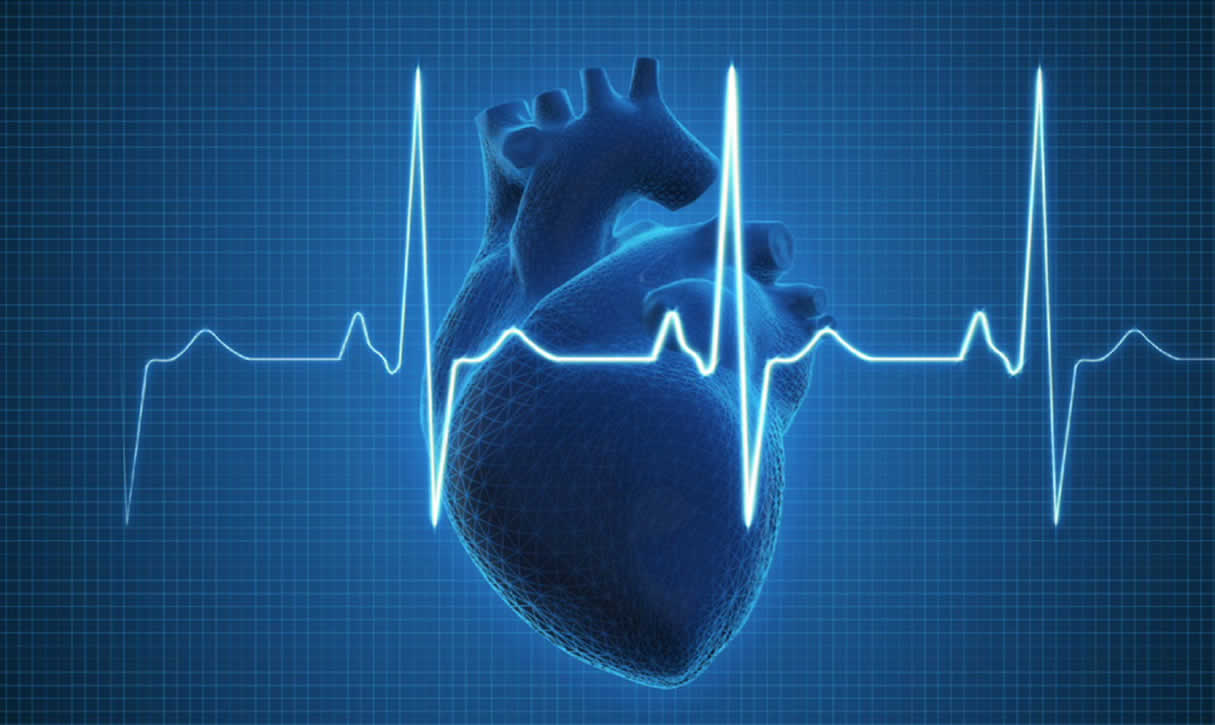
Heart-Healthy Diet for Arrhythmias
A heart-healthy diet promotes cardiovascular health and avoids triggers that provokes arrhythmias.
Chronic inflammation is linked to arrhythmias, particularly atrial fibrillation
Avoid processed foods as this increases inflammation and can cause arrhythmias
Whole foods should be incorporated in the diet:
- Leafy greens (spinach, kale,)
- Berries
- Nuts and seeds
- Fatty fish (salmon, mackerel, sardines)
- Extra virgin olive oil
Maintain Electrolyte Balance
Electrolytes like potassium, magnesium, and calcium play vital roles in regulating heart rhythm. Deficiencies can increase the risk of arrhythmia.
Rich sources:
- Potassium: Bananas, sweet potatoes.
- Magnesium: Spinach, pumpkin seeds.
- Calcium: Leafy greens, tofu, almond
Caffeine and Alcohol
Both caffeine and alcohol can act as arrhythmia triggers in some individuals.
- Choose decaffeinated coffee or herbal teas.
- Drink water or sparkling water.
- Avoid alcoholic beverages.
Reduce Sodium Intake
High levels of sodium can strain the heart, and increase the risk of arrhythmia.
Tips:
- Avoid processed foods
- Use herbs and spices instead of salt.
- Read labels carefully for hidden sodium sources.
Manage Weight Through Balanced Nutrition
Obesity is a significant risk factor for arrhythmia, particularly atrial fibrillation.
A calorie-controlled, nutrient-rich diet can help in sustainable weight loss and rhythm stabilisation.
Recommended eating patterns:
- Mediterranean Diet:
- Rich in fruits, vegetables, whole grains, and healthy fats.
- DASH Diet:
- Designed to lower blood pressure, rich in fruits, vegetables, and low-fat dairy.
Comments are closed